Book a Reliable Rubbish Collection in N1, London Today
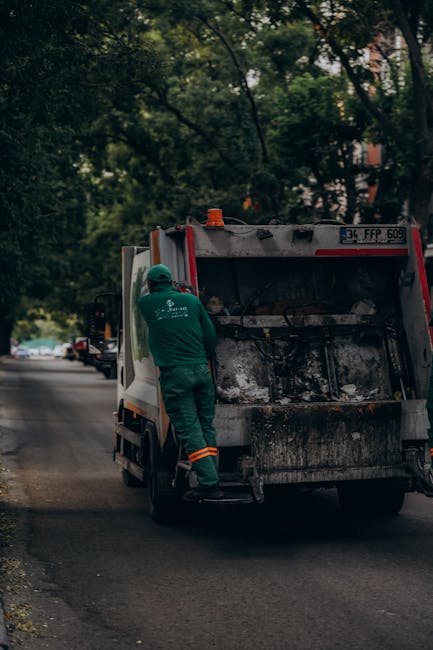
If you need to book a reliable rubbish collection in N1, London today, the main goal is usually simple: get the waste gone without hassle, without delays, and without a messy surprise later. Maybe it is a flat clear-out after a move. Maybe the office finally has three broken chairs, a printer that has given up, and a pile of packaging you have been ignoring for weeks. Or maybe it is just life doing its thing and clutter quietly building up in the hallway. Either way, a dependable collection service should make the process feel straightforward, calm, and genuinely manageable.
This guide explains how rubbish collection in N1 works, what to expect, how to choose a service you can trust, and which mistakes tend to cause unnecessary stress. You will also find practical tips, a comparison of common disposal options, and a checklist you can use before booking. Let's face it, nobody wants to spend half the day figuring out what happens to a sofa, a broken fridge, or a mountain of mixed junk.
Why Book a Reliable Rubbish Collection in N1, London Today Matters
In N1, space is precious. That is true whether you are in a compact flat near the station, a converted terrace, a busy shared house, or a commercial unit with not enough back-of-house storage. Waste can get in the way quickly. One oversized item in a narrow stairwell becomes a daily annoyance. A few black bags left too long can create smell, flies, and a bad impression for visitors or customers. And if you are trying to clear a property, the pressure tends to grow by the hour.
Reliability matters because rubbish collection is not just about lifting things into a van. It is about timing, access, loading safely, separating recyclables where possible, and leaving the space usable again. A trustworthy service turns a problem that feels messy and last-minute into something ordered and manageable. That peace of mind is worth a lot, especially when you are juggling work, family, and the rest of London life.
There is also the practical side. A delayed or poorly planned collection can block entrances, disrupt neighbours, or leave you scrambling for a second booking. And if the waste includes bulky furniture, electrical items, or mixed materials, you want a provider that handles disposal properly rather than taking shortcuts. Nobody wants the knock-on headache later.
Expert summary: The best rubbish collection service is not just the quickest one. It is the one that arrives when expected, explains what can be taken, handles items safely, and gives you a clear outcome without drama.
How Book a Reliable Rubbish Collection in N1, London Today Works
The process is usually simple, but the details matter. Most collections start with a quick description of what needs removing. That might be a few bin bags, a mattress, an old wardrobe, builder's debris, or mixed household clutter. From there, the provider usually estimates the volume, asks about access, and confirms whether the items require any special handling.
In a normal N1 job, the key questions are pretty familiar: How much waste is there? Can a vehicle get close to the property? Is there a lift or only stairs? Are the items heavy, awkward, or damaged? These small details determine whether the collection goes smoothly or turns into a slow, frustrating lift-and-shift. A good team will ask before they arrive. Not after.
On the day, the crew should check access, confirm the load, and remove items in a safe, organised way. You should expect the area to be swept or left tidier after the job, especially if the waste was collected from a flat, garden, basement, or office. For many people, the best part is the moment the last item disappears and the room suddenly feels twice as large. Strange how quickly that happens.
If you need broader help with household or business waste, you may also want to review related services such as rubbish removal, waste collection, or rubbish clearance depending on the type of load and how much needs taking away.
Key Benefits and Practical Advantages
There are several reasons people choose a professional collection instead of trying to deal with waste themselves. Some are obvious. Others only become obvious after you have tried to shift a bulky sofa down a tight staircase on your own. That was a bad afternoon, frankly.
- Speed: You can often clear a space far faster than arranging multiple council trips or waiting around for limited skip access.
- Convenience: The collection team does the lifting, loading, and transport, which saves time and avoids physical strain.
- Safer handling: Heavy or awkward items are moved with the right technique, reducing the risk of damage to walls, floors, and staircases.
- Better organisation: Mixed waste, furniture, and recyclables can be sorted more efficiently when handled by an experienced crew.
- Less disruption: A focused collection is usually easier for neighbours, landlords, and building managers than a drawn-out clean-up.
- Cleaner finish: A good service leaves the area tidy, which matters a lot after a clearance or refurb.
Another advantage is flexibility. If you are dealing with something like a one-off bulky item, a partial flat clearance, or a same-day office tidy-up, a professional collection can be scaled to the job instead of forcing you into a one-size-fits-all solution. That matters in a place like N1, where jobs can range from a single mattress to a full property clear-out.
Who This Is For and When It Makes Sense
This kind of service suits a surprisingly wide range of people. If you live or work in N1, you may need rubbish collection for reasons that are practical, urgent, or just long overdue. Sometimes it is not even a "big" job. It just feels big because you have no spare time and the waste is getting in the way.
It makes sense if you are:
- moving out of a flat and need old furniture or clutter removed fast
- clearing a spare room, loft, garage, or storage area
- upgrading office furniture and need the old items taken away
- dealing with post-refurbishment waste or packaging
- managing a probate, house, or property clearance
- trying to remove bulky items that do not fit standard bins
- dealing with a landlord, letting agent, or building manager deadline
It is also a good fit when the waste is awkward, heavy, or inconvenient to move through the normal council route. For example, a broken wardrobe in a narrow hall is one thing. A fridge on the third floor with no lift is another. Truth be told, that is exactly when a reliable provider earns its keep.
If the job is more specific, you might also compare services like bulky waste collection, large item collection, or a more general waste removal option depending on what is being cleared.
Step-by-Step Guidance
If you want to book without second-guessing yourself, use a simple process. It keeps things calm and avoids the usual back-and-forth.
- List everything you want removed. Be specific if you can. A sofa, two chairs, six bags, one broken chest of drawers, and packaging is far more useful than "some rubbish".
- Think about access. Note stairs, narrow hallways, parking restrictions, loading bays, permits, or entrance codes. This is often where people forget a detail and then scramble later.
- Check what needs special handling. Electrical items, fridges, mattresses, and heavy furniture may need separate treatment or different disposal arrangements.
- Ask how the pricing is structured. A clear quote should explain what is included and whether additional labour, access, or item type could affect the final cost.
- Choose a time that works for the property. In shared buildings, it is often easier to book around neighbours, building staff, or quieter hours.
- Prepare the items in advance. If safe to do so, group waste in one place to reduce loading time.
- Confirm the booking details. Double-check the date, collection window, item list, and contact number. Small step, big difference.
A small but useful habit: take a few photos before booking. Not glamorous, obviously, but it helps the provider judge the job accurately and can prevent misunderstandings on arrival. I've seen that save a lot of time in real-world jobs, especially in compact Islington flats where everything is a bit tighter than expected.
For more property-focused clear-outs, a service such as property clearance or home clearance may be more appropriate if the job is larger than a standard rubbish pickup.
Expert Tips for Better Results
The difference between a smooth collection and a stressful one usually comes down to planning. Nothing flashy. Just the basics done properly.
First, separate what can be reused, recycled, or thrown away. You do not need to sort everything perfectly, but grouping similar items helps. Cardboard, metal, furniture, and general junk are much easier to assess when they are not mixed into one huge pile.
Second, do not leave everything until the last minute. If a collection is tied to a move-out date, rent deadline, or office handover, build in a small buffer. London traffic, parking, and building access can all throw a tiny curveball. Not usually dramatic, but enough to matter.
Third, be honest about the volume. Underestimating waste is common. People glance at a room and think, "That's not much," then realise there are three cupboards, a broken bed, two monitors, and a bin full of oddments. Happens all the time.
Fourth, ask about recycling and disposal routes. A trustworthy provider should be able to explain how waste is handled in broad terms. You do not need a lecture. Just clarity.
Fifth, keep fragile items and personal paperwork separate. If you are clearing an office or a home, check drawers, folders, and boxes before anything gets loaded. That little pause can save a lot of regret.
If you are comparing disposal options, related pages like waste disposal and recycling and rubbish can help you think through whether the job is mainly about removal, recycling, or a mix of both. Small note: the latter is about the broader service area of waste and recycling management on the site.
Common Mistakes to Avoid
Most bad collection experiences are avoidable. Usually, the issue is not the waste itself. It is the assumptions made before anyone arrives.
- Not checking access: A van may be nearby, but if the road is restricted or the lift is too small, the job can become slower and more expensive.
- Giving vague descriptions: "A bit of rubbish" is not enough when there is a large sofa and several bags involved.
- Forgetting about heavy items: Mattresses, wardrobes, appliances, and wet garden waste can affect how the job is planned.
- Leaving valuables in drawers or bags: This sounds obvious. Yet people do it, and then spend the next day searching for documents.
- Assuming all waste is treated the same: Mixed waste may need different handling from clean recyclable material or electrical items.
- Booking too late: If you need the space cleared before a move, renovation, or inspection, do not cut it too fine.
Another common slip is choosing the cheapest quote without checking what is included. The lowest number is not always the best value if it excludes access time, extra labour, or proper disposal. You want certainty, not a bargain that starts wobbling halfway through.
Tools, Resources and Recommendations
You do not need a toolkit the size of a builder's van to prepare for rubbish collection, but a few basic things help a lot.
- Strong bin bags or sacks: Useful for loose, non-sharp waste.
- Tape and labels: Handy if you are separating keep, recycle, and remove items.
- Work gloves: Good for light sorting, especially in dusty lofts or garages.
- Phone camera: Take photos of items, access points, and any awkward staircases or parking constraints.
- Measuring tape: Helpful for oversized furniture or appliances.
- Checklist note: Keep one simple list of items, access issues, and booking details so nothing gets forgotten.
In terms of service options, these site pages are useful if your load is specific: furniture clearance for general household items, sofa removal and collection for bulky seating, mattress removal and collection for bed waste, and white goods recycle for appliances that need the right disposal route.
If the job is part of a bigger clean-up, you may also find flat clearance, house clearance, or garage clearance more relevant than a standard one-load collection.
Law, Compliance, Standards, or Best Practice
Waste collection in the UK is not just about convenience. It also sits inside a framework of good practice and legal responsibility, especially where business waste, electrical items, or mixed disposal are involved. You do not need to memorise regulations to book a service, but you should expect the provider to handle waste responsibly and lawfully.
As a customer, the practical questions are simple: Will the waste be taken to an appropriate facility? Is recyclable material being separated where possible? Is the provider operating safely and transparently? Those questions are fair. A reliable company should not mind them at all.
For business customers in N1, the expectations are even more straightforward: waste should be removed in a controlled way, records should be kept where required, and the service should avoid creating issues for tenants, neighbours, or building management. It is also best practice to confirm how sensitive items, confidential paperwork, and electronic waste are handled. Common sense, but worth saying.
At a property level, safety matters too. Stairwells, fire exits, shared hallways, and loading areas should be respected. If a collection team can explain how they manage access and heavy lifting, that is a good sign. The same applies to insurance and staff safety practices. Those details are not decorative. They are part of a professional service.
When in doubt, choose clarity over guesswork. A trustworthy provider should be able to answer questions about disposal routes, item categories, and site access without dancing around the subject.
Options, Methods, or Comparison Table
There is more than one way to deal with rubbish in N1, and each option has a place. The best one depends on the volume, urgency, item type, and whether you want to do any of the heavy lifting yourself.
| Option | Best for | Pros | Trade-offs |
|---|---|---|---|
| Professional rubbish collection | Mixed waste, bulky items, quick clear-outs | Fast, convenient, labour included, less disruption | May cost more than doing it yourself |
| Council collection | Lower-urgency household items, limited volumes | Useful for some large items, straightforward for basic cases | Timing and item limits can be restrictive |
| Self-haul to a facility | People with a vehicle and time | Direct control over timing and sorting | Requires labour, vehicle access, loading, and journey time |
| Skip hire | Ongoing renovation or repeated waste generation | Good for projects with steady waste output | Space, permits, and loading responsibility can be a pain |
For many N1 residents and businesses, professional collection is the most balanced choice because it removes both the waste and the hassle. But if you already have a van, a few friends, and a free Saturday, self-haul can make sense. Depends what you value more: time, money, or your lower back.
Case Study or Real-World Example
Here is a realistic example from a typical N1-style job. A tenant was moving out of a second-floor flat near a busy high street. The space included a worn sofa, a broken bedside cabinet, several bin bags of mixed clutter, a small desk, and an old mattress that had been sitting against the wall for far too long. The hallway was narrow, the stairwell was shared, and parking was tight. Classic London logistics, really.
Before the booking, the customer sent a few photos and confirmed that there was no lift. The collection team arrived with enough time to assess the access route, protect the walls where needed, and remove the waste in a single visit. The items were loaded in a controlled sequence: lighter bags first, then furniture, then the mattress last once the route was clear. It was the kind of job that looks small on paper but makes a big difference once the room is empty.
The key lesson from this sort of job is simple: good preparation saves time. Clear photos, honest descriptions, and a quick note about access can prevent most collection-day surprises. And yes, a mattress always seems heavier when it is halfway down the stairs. That is just life, apparently.
Practical Checklist
Use this before you book. It keeps things tidy and reduces the chance of an awkward on-the-day correction.
- Have you listed every item that needs removing?
- Do you know whether the waste is household, commercial, bulky, or mixed?
- Have you checked stair access, lift access, and parking restrictions?
- Are any items especially heavy, fragile, damp, or awkward?
- Have you removed valuables, paperwork, and personal items from drawers and boxes?
- Do you know whether any items need recycling or special disposal handling?
- Have you asked for a clear quote and confirmed what is included?
- Have you chosen a collection time that fits the property and neighbours?
- Is the area around the waste easy to access on arrival?
- Have you saved the booking confirmation and contact details?
If you can tick most of those off, you are in good shape. Not perfect, maybe. But good enough to make the day run smoothly, and that is usually what people want most.
Get a free quote today and see how much you can save.
Conclusion
When you need to book a reliable rubbish collection in N1, London today, the real value lies in speed, clarity, and confidence. You want waste removed without confusion, handled safely, and dealt with in a way that respects your time and your property. Whether it is a single bulky item, a flat full of clutter, or a business clear-out with tight timing, the right service makes the whole thing feel lighter.
Start with a clear list, think through access, ask sensible questions, and choose a provider that gives straight answers. That approach saves a lot of grief. And once the waste is gone, the space often feels calmer than you expected. A bit more breathable. A bit more yours again.
Sometimes that is all a good collection should do: arrive on time, do the job properly, and leave you with room to move forward. Simple, really. And a relief.
Frequently Asked Questions
How quickly can I book a rubbish collection in N1, London?
It often depends on the provider, the type of waste, and the amount of notice you can give. For straightforward collections, same-day or next-day bookings are sometimes possible, but it is best to confirm availability early, especially if you need a specific time window or have access restrictions.
What types of rubbish can usually be collected?
Most general collections cover household clutter, furniture, bulky items, bags of mixed waste, and many types of office waste. Some items, such as fridges, mattresses, and electrical appliances, may need separate handling. It is always worth listing items clearly before you book.
Do I need to sort the waste before collection?
Not always. Many services can handle mixed loads, which is helpful if you are short on time. That said, separating recyclables, cardboard, metal, and general waste can make the collection more efficient and may help the provider assess the job more accurately.
Is rubbish collection better than council collection?
It depends on the job. Council collection can suit smaller or lower-urgency items, but private rubbish collection is usually faster, more flexible, and better for bulky or mixed loads. If you need the waste gone today, a private service is often the more practical route.
How do I know if the quote is fair?
A fair quote should be clear about what is included, what type of waste is being removed, and whether access or labour conditions affect the price. If something is vague, ask for clarification. A reliable provider should be able to explain the estimate in plain English.
What if I live in a flat with no lift?
That is common in N1, and it does not usually prevent collection. It does mean the provider needs to know in advance so they can plan the labour and time properly. Narrow stairs, parking, and carrying distance all matter more when there is no lift.
Can businesses in N1 book the same service?
Yes, though business waste may have different handling expectations, especially if the load includes office furniture, electronics, or confidential material. Business customers should ask how the waste will be removed and whether any special procedures apply.
What should I do before the collection team arrives?
Make sure the items are accessible, remove valuables and paperwork, and confirm the access route. If possible, group the waste together so the team can load it quickly. A quick walkthrough of the space beforehand can save a lot of time.
Can I book removal for one large item only?
Yes, many collections are designed for single bulky items such as a sofa, mattress, wardrobe, or appliance. In fact, that is one of the most common reasons people book. It feels a bit odd to arrange a whole service for one item, but it is often the simplest option.
What happens to the rubbish after it is collected?
In a professional service, the waste is taken for appropriate processing, which may include recycling, reuse, or disposal through approved routes depending on the item type. The exact path depends on the material and condition of the waste.
Is it worth using a rubbish collection service for a small amount of waste?
If you only have a tiny amount and can manage it yourself, you may not need a full collection. But if the items are awkward, heavy, time-sensitive, or hard to transport, a professional service can still be worth it for the convenience alone.
What is the biggest mistake people make when booking?
The biggest mistake is usually underestimating the waste or forgetting to mention access issues. A few missing details can change the whole job. Honest descriptions, photos, and a quick checklist go a long way.