Commercial Waste Duty of Care for London Businesses Explained
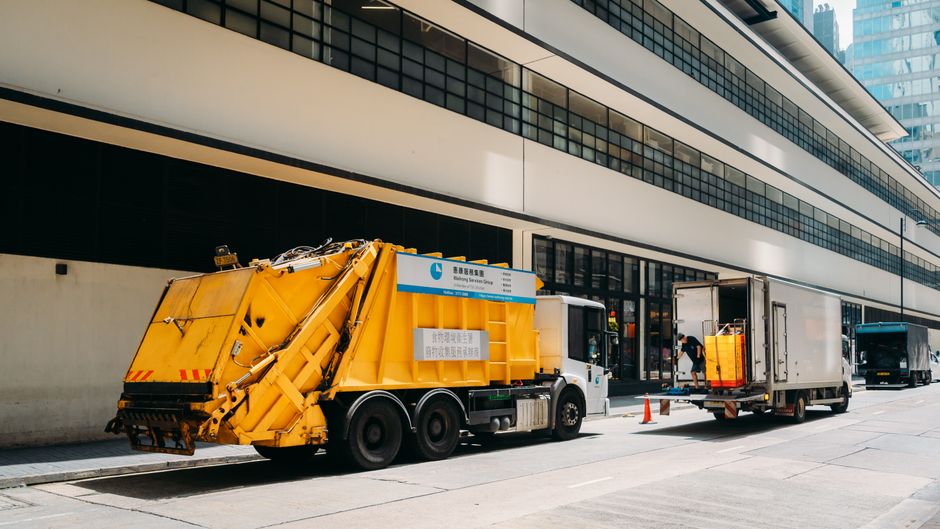
If you run a business in London, commercial waste probably sits somewhere between "daily nuisance" and "serious compliance headache". The reality is a bit less dramatic, but only just. Commercial Waste Duty of Care for London Businesses Explained means understanding your responsibility for waste from the moment it's created until it is collected, transported, and handled properly. Miss a step and you can create problems for your staff, your customers, and your business records.
This guide breaks it down in plain English. You'll see what the duty of care actually means, how it works in day-to-day business life, why London businesses need to take it seriously, and what good practice looks like. We'll also cover common mistakes, practical steps, and a realistic checklist you can use without needing to become a waste compliance specialist overnight.
- Why it matters
- How it works
- Key benefits
- Who needs this
- Step-by-step guidance
- Expert tips
- Common mistakes
- Tools and resources
- Law, compliance and best practice
- Options and comparison
- Real-world example
- Practical checklist
- Conclusion
- Frequently asked questions
Why Commercial Waste Duty of Care for London Businesses Explained Matters
Duty of care is not just a phrase that appears in policy documents and gets ignored until something goes wrong. It is the basic principle that your business must take reasonable steps to make sure its waste is stored, transferred, and disposed of correctly. In London, that matters even more because waste moves through a dense network of offices, shops, restaurants, workshops, and shared buildings. One sloppy bin area on a Tuesday morning can turn into complaints, fly-tipping risk, or a collection problem by lunchtime.
Let's be honest, most business owners do not wake up thinking about waste paperwork. They think about payroll, staff rotas, rent, customers, deliveries. But commercial waste is one of those background issues that becomes very visible when it is mishandled. Overflowing bins, leaking bags, food waste attracting pests, cardboard blocking a fire exit - these are not small annoyances. They can affect safety, reputation, and how smoothly your premises operate.
For London businesses, duty of care is also part of running a tidy, reliable operation in a city where space is tight and expectations are high. A cafe in Camden, an office in Westminster, and a workshop in Waltham Forest will all handle waste differently, but the underlying responsibility is the same. You need to know what you are throwing away, who takes it, and whether it is being handled legally.
Key point: duty of care is about control. Even if someone else collects your waste, your responsibility does not vanish the moment it leaves the building. That's the bit many businesses underestimate.
How Commercial Waste Duty of Care for London Businesses Explained Works
In practical terms, duty of care works like a chain. Your business creates waste. You sort and store it correctly. You arrange collection with the right provider. The waste is then transported and managed appropriately. Each link matters. If one part is weak, the whole thing can become risky.
What businesses are expected to do
While the exact operational details vary by business type, the expectation is usually straightforward:
- identify what waste you produce
- separate recyclable and non-recyclable materials where possible
- store waste safely and securely
- use a legitimate collector or contractor
- keep records and transfer details where required
- make sure waste does not leak, escape, or create a nuisance
A small office may only need a simple collection arrangement for mixed rubbish and recycling. A restaurant or builder will often need something more structured because food waste, packaging, glass, rubble, and general waste all behave differently. Truth be told, mixed waste streams are where many businesses get a bit casual. That's usually where the trouble starts.
What "reasonable steps" looks like
"Reasonable" sounds vague, and in some ways it is meant to be. It gives room for business size and sector. But for a London business, reasonable steps often mean you can answer basic questions without scrambling:
- What waste do we produce each week?
- Where is it stored before collection?
- Who collects it?
- Can we prove they are authorised to take it?
- Do we have the right paperwork and receipts?
If you can't answer those questions cleanly, there's probably work to do. Not panic, just work.
Where commercial waste collection fits in
A proper collection service should help you stay organised rather than create more admin. Services such as commercial waste collection and commercial waste disposal are useful when they're matched to the waste type, collection frequency, and amount you actually produce. That sounds obvious, but a surprising number of businesses are either over-served or under-served. Both can cost money and cause headaches.
For example, a small creative studio might need light, regular collections, while a busy hospitality venue may need a tighter schedule and better segregation. One size rarely fits all. Waste, like everything else in London, has a habit of being more complicated than it first appears.
Key Benefits and Practical Advantages
Duty of care is often discussed as a legal or compliance issue, but the practical benefits are just as important. When your waste system is well managed, the whole premises tends to feel calmer. Less mess. Fewer smells. Fewer last-minute panics when the bins are full and the back alley is starting to look like a bad idea.
1. Lower compliance risk
If your records are in order and your waste is being handled properly, you reduce the risk of being caught out by an inspection or complaint. You also reduce the chance of being linked to illegal dumping by a third party. That last one is more common than people think, especially when businesses use the cheapest option available without checking anything else.
2. Better site safety
Waste that is packed, stored, or moved badly can create hazards. Think sharp items, spills, trip risks, blocked exits, or manual handling injuries. A tidy waste area is not glamorous, but it's good operations. Simple as that.
3. Smoother collections
Collection crews work better when waste is separated, accessible, and prepared properly. That usually means fewer delays, fewer missed pickups, and less friction with neighbours or building managers. If you've ever heard a bin lorry clatter away and realised your bags were put out too late, you'll know how small errors snowball.
4. Better recycling performance
Good segregation helps keep recyclable materials out of general waste. In London, where space and storage are often limited, recycling only works if the system is simple enough for staff to follow every day. A clever recycling plan that nobody uses is just a nice idea on a spreadsheet.
5. Stronger business reputation
Clients, landlords, and staff all notice when a site is clean and organised. Waste management is one of those behind-the-scenes signals that quietly says, "We know what we're doing." It doesn't shout, but it matters.
| Good practice | What it usually prevents | Business impact |
|---|---|---|
| Correct waste segregation | Contamination, extra disposal cost, collection issues | Cleaner recycling streams and easier handling |
| Documented collections | Missing records, contractor confusion, audit problems | Clearer accountability and traceability |
| Secure storage | Littering, pest issues, spillages, unauthorised access | Safer premises and fewer complaints |
| Reliable scheduling | Overflow, missed pickups, operational disruption | Smoother day-to-day operations |
Who This Is For and When It Makes Sense
Commercial waste duty of care applies wherever a business produces non-domestic waste. That includes a lot of organisations that do not always think of themselves as "waste-heavy". A small design agency in Soho. A dentist in Islington. A cafe in Southwark. A builder working across multiple sites. A retail unit in Kensington. If the waste comes from business activity, it matters.
It is especially relevant for:
- offices with regular paper, packaging, and equipment waste
- shops and showrooms with display material and cardboard
- restaurants, cafes, and takeaways with food waste and packaging
- construction and refurbishment firms with bulky and mixed waste
- landlords and managing agents responsible for shared commercial areas
- clinics, salons, studios, and service businesses with specialist disposal needs
There's also a timing angle. Duty of care makes sense before the waste problem gets messy, not after. If your collection arrangement is unclear, your bins are overflowing, or your staff are leaving bags in the wrong place "just for now", that's your signal to sort things out. Waiting tends to cost more later.
For businesses with more specific waste streams, the right service matters. For instance, a site clearing out old office furniture might look at office clearance, while a premises with old chairs, desks, and storage units may need help with furniture removal and collection. A unit replacing appliances may also need a route for white goods recycle. Matching the method to the material is a big part of staying compliant.
Step-by-Step Guidance
If you want to get this right without making it a giant project, start small and build the system properly. Here's a practical way to approach it.
Step 1: Identify every waste stream
Walk through the site and list what you throw away. General waste, cardboard, food waste, glass, confidential paper, broken furniture, electrical items, construction debris - the whole lot. On a busy site, it helps to do this at the point of generation, not from memory at the end of the week.
Step 2: Separate what can be separated
Recycling works best when staff can tell, at a glance, what goes where. Clear bins and simple signage are often more effective than long instructions. If people need a lecture every time they throw something away, the system is probably too complicated.
Step 3: Check your storage area
Look at where waste sits before collection. Is it secure? Is it dry? Is it accessible? Are bags likely to split? Could the area attract pests or block access routes? A cramped back yard in London can turn into a bottleneck quickly, so this part deserves real attention.
Step 4: Use the right collector
Choose a collector that is suitable for your waste type and collection frequency. If you produce bulky waste, hazardous materials, or unusual items, do not assume a generic general waste service will do the job. You may need a specialist service such as builders waste clearance or bulk waste collection, depending on the situation.
Step 5: Keep records
Keep documentation of collections, transfer notes, and any relevant contractor details. You do not need to drown in paperwork, but you do need enough evidence to show your waste was managed properly. In practice, many businesses keep a digital folder for contracts, invoices, and collection notes. Simple, neat, retrievable. Bliss, really.
Step 6: Review regularly
Waste patterns change. More staff. Seasonal trading. Refits. Bigger deliveries. New equipment. What worked last year may be wrong now. A quarterly review is often enough for smaller businesses, while busier premises may need a closer look.
Expert summary: the easiest way to manage duty of care is to treat waste like any other operational process. Define it, store it, collect it, record it, and review it. That rhythm keeps problems small.
Expert Tips for Better Results
There are a few practical habits that consistently make life easier. None are flashy, but they save time and stress. And in London, saving time is almost a competitive advantage.
Keep collection points boring and obvious
By boring, I mean simple. Use plain labels, stable bins, and one clear location if possible. The more obvious the system, the more likely staff will use it correctly.
Train staff with real examples
Staff do not need a lecture about legislation. They need to know what to do with the actual waste they touch. Show them the common items: pizza boxes, broken packaging, printer waste, batteries, old chairs, food scraps. A short walk-through beats a long email nobody reads.
Match frequency to reality
If your bins are always full before collection day, the schedule is wrong. If they are nearly empty every time, you may be paying for more than you need. The right frequency is the one that keeps the site tidy without wasting budget.
Build a simple escalation route
When something goes wrong - missed collection, contaminated load, broken bin, spill - staff should know exactly who to tell. Not "someone in operations", but a named person or role. Small thing, huge difference.
Think about the building as well as the business
In shared London premises, landlords, tenants, and managing agents may all influence how waste is handled. If the bin store is shared, or access is restricted, clarify responsibility early. It avoids the classic "I thought you were sorting that" moment. You know the one.
Common Mistakes to Avoid
Most waste problems are not caused by dramatic failures. They come from little lapses that are easy to ignore until they stack up.
- Using an unverified collector: cheap is not the same as compliant. If a collector cannot be properly checked, that's a risk.
- Mixing waste streams unnecessarily: contamination can reduce recycling performance and increase costs.
- Leaving waste outside too early: bags get ripped, moved, or scattered before collection.
- Ignoring bulky items: old desks, mattresses, fittings, and broken equipment need a proper route, not a corner in the storage room.
- Assuming one service covers everything: it often doesn't. Different waste types may need different handling.
- Not keeping records: if you can't show what happened to the waste, it becomes harder to prove you met your responsibilities.
- Failing to train temporary staff: locums, contractors, and seasonal workers can accidentally break your system if nobody explains it.
One of the more awkward mistakes is this: a business spends time and money on a clean, tidy workplace, then lets the waste area become the one messy corner everyone pretends not to see. It's a bit like polishing the front door and leaving the hallway flooded. Doesn't quite work.
Tools, Resources and Recommendations
You do not need a giant compliance suite to manage waste properly. Most businesses do better with a handful of practical tools used consistently.
Useful tools to keep in place
- Waste inventory: a simple list of all waste types your business produces
- Collection calendar: dates, times, and service details in one shared place
- Site map or bin plan: helpful for larger premises or multi-tenant buildings
- Staff signage: visual prompts for sorting waste correctly
- Digital record folder: contracts, invoices, transfer notes, and contractor details
- Review checklist: a short monthly or quarterly check of storage, collections, and contamination issues
If you are arranging a broader clean-up rather than routine disposal, services like rubbish clearance, waste removal, or waste disposal can be useful depending on the scale and type of material. For premises upgrading furniture or clearing storage rooms, furniture disposal and property clearance may be more suitable.
If sustainability is part of your business goals, it can also help to think beyond basic removal and look at how waste is reduced and reused. The page on recycling and sustainability is a sensible place to start if you want to build better habits rather than just chase the next pickup.
Law, Compliance, Standards, or Best Practice
Commercial waste duty of care sits within UK waste law and business best practice. The exact legal obligations can depend on the waste type and the way it is stored or transferred, so it is wise to treat compliance carefully rather than casually. If your business produces waste, you should expect to manage it responsibly, keep appropriate records, and use competent contractors.
That usually means paying attention to a few core principles:
- waste must be stored safely before collection
- the business remains responsible for the waste even after it leaves the premises, in practical terms, until it is in the right hands
- records should be retained where required
- recycling and segregation should be followed where reasonably possible
- special waste streams need special handling, not guesswork
Best practice in London often goes a step further than bare minimum compliance. Because space is tight, access can be awkward, and collections can be disrupted by traffic or shared premises, the smartest businesses plan waste handling into the daily routine. They do not leave it to chance. They do not wait for the bin store to become a crisis.
It is also sensible to use other policies and support documents as part of your wider operational discipline. For example, a business that cares about safe premises should keep its health and safety policy aligned with waste handling, and if suppliers, collections, or billing are involved, payment and security and terms and conditions may also be worth reviewing. These pages do not replace legal advice, of course, but they show the wider operational picture.
Options, Methods, or Comparison Table
Different businesses handle commercial waste in different ways. The best option depends on the volume, frequency, waste type, and whether you need routine service or one-off clearance. Here's a practical comparison.
| Method | Best for | Advantages | Watch-outs |
|---|---|---|---|
| Scheduled commercial collections | Ongoing business waste | Predictable, routine, easier to manage | Needs accurate bin sizing and frequency |
| One-off clearance | Moves, refurbishments, storage clean-outs | Fast reset, good for bulky waste | Not ideal for recurring waste streams |
| Specialist item collection | Furniture, appliances, mattresses, large items | Better handling of awkward materials | May need more planning and segregation |
| Mixed general waste only | Very small or simple sites | Easy to understand | Often less efficient and less sustainable |
For many London businesses, the sweet spot is a combination: routine collections for day-to-day waste, plus occasional specialist help for bulky or unusual items. That balance keeps things practical without turning the bin area into a mini warehouse.
Case Study or Real-World Example
Here's a realistic example based on the sort of situation many London businesses run into.
A medium-sized office in central London was gradually filling a storage room with old desks, broken monitors, packaging, and boxes of archived paperwork. Staff assumed it would all be dealt with at once "when things calm down". Of course, things never fully calm down. The room got tighter, the waste got mixed together, and people started squeezing items into the general bins because they had nowhere else to put them.
That created three problems at once: clutter, poor segregation, and uncertainty about who was actually removing the waste. The fix was not complicated, just disciplined. The business did a quick waste audit, separated recyclables, arranged a clearer collection setup, and scheduled a proper clearance for the bulky items. A few items also needed specialist handling rather than regular bin collection, which avoided awkward last-minute decisions.
The main lesson? Most waste issues are operational, not mysterious. Once the business had a simple system, the whole place felt lighter. Less clutter. Fewer excuses. Better use of space. And, yes, the office manager looked noticeably relieved on collection day when the back room finally stopped resembling a very tired cupboard.
Practical Checklist
Use this checklist to sanity-check your current waste setup. If you can tick most of these without hesitation, you are in a pretty good place.
- We know what types of commercial waste our business produces
- We have separate containers or clear sorting rules where needed
- Waste storage areas are safe, clean, and accessible
- We know who collects our waste and what they collect
- We keep records of collections and key contractor details
- Staff know where waste should go and what not to mix
- Bulky or specialist items are handled separately
- Our collection schedule matches the actual amount of waste we produce
- We review waste arrangements after changes to the business
- We have a clear contact point for problems or missed pickups
If you hesitated on a few of those, that's normal. It just means there's room to tighten things up. And that's usually easier than people think.
Get a free quote today and see how much you can save.
Conclusion
Commercial Waste Duty of Care for London Businesses Explained comes down to one simple idea: don't treat waste as an afterthought. Know what you produce, store it properly, collect it through the right route, and keep enough records to show you've done the job responsibly. That's the practical heart of it.
For London businesses, this is not just about avoiding trouble. It's about running a cleaner, safer, more organised operation in a city where space is valuable and mistakes become visible fast. A good waste system is quiet. It just works. Staff stop worrying about bin overflow. Managers stop chasing missing collections. The site feels easier to run.
If you take only one thing away, let it be this: small improvements in waste handling often create bigger improvements in daily operations than people expect. A little structure goes a long way. No drama, just better control.
And honestly, that's the kind of business habit that pays you back again and again.
Frequently Asked Questions
What does commercial waste duty of care mean for a London business?
It means your business must take reasonable steps to make sure its waste is stored, transferred, and handled properly. You remain responsible for ensuring it goes to the right place through the right process.
Does duty of care apply to small businesses too?
Yes. It applies whether you run a small office, a shop, a cafe, or a larger commercial site. The scale changes, but the responsibility does not disappear because the business is small.
Do I need to keep records of commercial waste collection?
In most cases, yes, you should keep appropriate records and documents. The exact paperwork depends on the waste type and the arrangement, but having a clear audit trail is a strong sign of good practice.
Can I use any waste collector I find online?
Not safely. You should be satisfied that the collector is legitimate and suitable for your waste type. Cheap or convenient is not enough if they cannot properly handle what you produce.
What happens if commercial waste is mixed incorrectly?
Mixing waste incorrectly can create contamination, reduce recycling, increase costs, and make collections less efficient. In some cases it can also lead to compliance problems if the waste was not handled properly.
Is commercial waste the same as council household waste?
No. Business waste is different from household waste, even if it looks similar. A business should not rely on household-style disposal routes for commercial rubbish unless the service is specifically appropriate and authorised.
What should I do with bulky items like office furniture?
Bulky items usually need a separate collection or clearance approach. Items such as desks, chairs, cabinets, and appliances may require specialist handling rather than standard bin collection.
How often should a business review its waste arrangements?
That depends on the size and activity of the business, but a regular review is sensible. Many businesses do well with a quarterly review, and more often if trading patterns change or waste volumes increase.
What is the most common waste compliance mistake?
One of the most common mistakes is using a waste service without checking whether it is suitable and properly documented. Another is failing to keep the waste area organised, which creates avoidable risk.
Can good waste management help save money?
Yes, often it can. Better segregation, the right collection schedule, and fewer missed pickups usually make operations more efficient. It is not magic, just sensible management.
Do I need different services for different waste types?
Sometimes, yes. General waste, recycling, bulky waste, furniture, and specialist items may need different handling routes. Matching the service to the waste is usually the cleanest approach.
What should I do if my waste area is too small?
Start by reviewing what can be reduced, separated, or collected more efficiently. In tight London premises, space-saving collection planning can make a big difference. Sometimes a small layout change helps more than buying more bins.
About this guidance
This article is intended as practical guidance for London businesses trying to understand their commercial waste responsibilities more clearly. For company information and site policies, you can also review the about us page, or visit the main commercial waste disposal London homepage for service details.