Fulham Road SW6 Rubbish Collection Guide for Residents
If you live on or around Fulham Road in SW6, rubbish can become one of those small but constant jobs that quietly takes up more time than it should. Bags build up. A broken chair sits in the hallway. Recycling needs sorting. And if you miss a collection day, the whole place starts to feel a bit cramped, doesn't it?
This Fulham Road SW6 rubbish collection guide for residents is here to make things simpler. Whether you are dealing with everyday household waste, bulky items, flat clearance, or mixed recycling, the aim is to help you understand your options, avoid common mistakes, and choose the most practical route for your home. You'll find a clear step-by-step approach, useful comparisons, local best-practice advice, and answers to the questions people genuinely ask.
To be fair, rubbish collection sounds straightforward until you actually need it to go smoothly. Then timing, access, item type, and disposal rules all matter. Let's break it down properly.
- Why it matters
- How it works
- Key benefits and practical advantages
- Who needs this and when it makes sense
- Step-by-step guidance
- Expert tips for better results
- Common mistakes to avoid
- Tools, resources and recommendations
- Law, compliance, standards and best practice
- Options, methods and comparison table
- Case study or real-world example
- Practical checklist
- Conclusion
- Frequently asked questions
Why Fulham Road SW6 rubbish collection guide for residents Matters
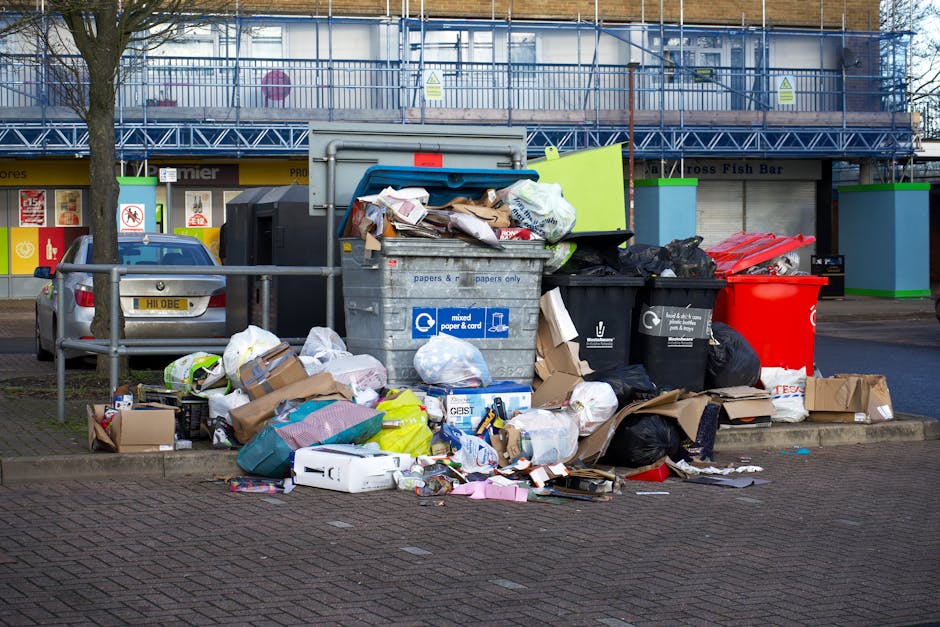
Fulham Road sits in a busy part of southwest London where homes, flats, shops, and shared buildings often overlap. That creates a very practical challenge: rubbish has to move out of the property without getting in the way of neighbours, pedestrians, parking restrictions, or building rules. If waste is left too long, it can attract pests, create smells, and make communal spaces awkward for everyone.
For residents, good rubbish collection is not just about tidiness. It supports hygiene, keeps hallways and bin stores usable, and reduces the risk of fines or complaints where waste is left on the pavement or stored badly. In a street like Fulham Road, where space is tight and footfall is constant, timing and presentation matter more than people often expect.
There is also a financial side. When items are sorted properly, recycled where possible, and collected in one go, you usually avoid the extra cost of repeated trips, failed access, or last-minute emergency clearances. It sounds obvious, yet people only notice this after the fact. A Monday morning collection that goes smoothly can save a whole week of hassle.
Expert summary: the best rubbish collection approach for SW6 residents is the one that matches your item type, access conditions, and time window, while keeping disposal lawful and practical. That's the sweet spot.
How Fulham Road SW6 rubbish collection guide for residents Works
In most London homes, rubbish collection follows a simple pattern: separate what can be recycled, bag or bundle the remainder, and place waste out at the correct time in the correct location. But the details vary depending on whether you are using council collections, arranging a private waste removal service, or handling specific items such as furniture, mattresses, fridges, or builders' waste.
Residents on Fulham Road may face any of the following situations:
- routine household rubbish from weekly living
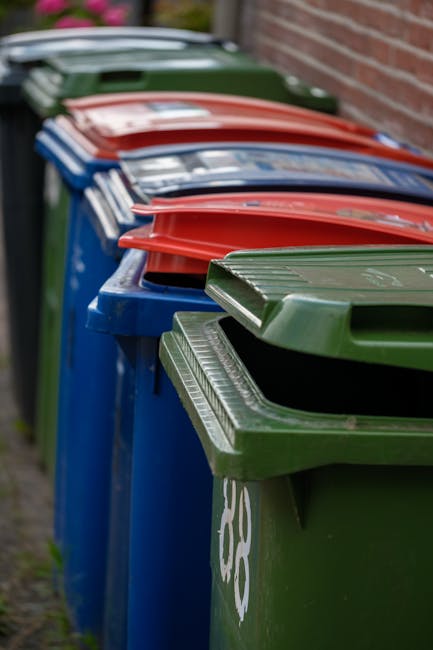
- recycling from paper, cardboard, glass, cans, and mixed materials
- bulky items that do not fit in normal bins
- flat clearance after a move or refurbishment
- garden waste or loft and garage clutter
- trade-style waste from DIY or small home projects
The practical choice usually comes down to four things: how much waste you have, how quickly it needs to go, whether it is recyclable, and how easy it is to access the property. If you live in a mansion block, a basement flat, or a building with narrow stairs, access can matter as much as the waste itself. A large sofa is one thing. Getting it out of a top-floor flat without damaging the walls is another story entirely.
If you need to compare specialist options, pages such as bulky waste collection, furniture disposal, and mattress removal and collection are useful starting points for residents dealing with larger household items.
Key Benefits and Practical Advantages
When rubbish collection is planned well, you get more than an empty bin. You get a calmer home and fewer last-minute scrambles. In our experience, residents often underestimate how much mental space a cluttered flat takes up until the waste is gone and the place feels breathable again.
- Less stress: you know what is going out, when it is going out, and who is responsible.
- Cleaner shared spaces: no lingering bags in hallways, porches, or bin rooms.
- Better recycling: separating materials properly keeps reusable waste out of landfill where possible.
- Reduced nuisance: fewer smells, less mess, fewer complaints from neighbours.
- Safer movement: less clutter means fewer trip hazards in stairwells and entrances.
- More predictable costs: planned collection is usually better value than urgent, repeated removals.
There is also a quality-of-life benefit that is easy to miss. When waste is handled consistently, your home feels more manageable. That matters especially in smaller SW6 properties where storage space is already limited. One skipped collection can turn into three bags too many very quickly.
Who This Is For and When It Makes Sense
This guide is for any resident connected to Fulham Road SW6 who wants a better handle on rubbish collection. That includes long-term homeowners, tenants, landlords, flat sharers, people moving in or out, and anyone clearing a property after renovation or inheritance.
It makes sense to plan a more formal collection when:
- you have more waste than normal household bins can handle
- your bin store is full or shared with several households
- you need to remove a bulky or awkward item
- you are preparing for a tenancy change or end-of-lease cleanout
- you are refurbishing a kitchen, bathroom, or room
- you need a quicker solution than waiting for the next standard collection cycle
If your situation is more involved, such as a whole flat or house needing cleared, the related services flat clearance, house clearance, and property clearance may be more suitable than piecemeal waste removal.
For landlords and managing agents, consistency matters even more. A single badly managed clearance can affect the building, not just one household. And yes, tenants notice. So do neighbours.
Step-by-Step Guidance
Here is a practical way to handle rubbish collection on or near Fulham Road without overcomplicating it.
- Identify the waste type. Separate normal rubbish, recycling, bulky items, electricals, and anything hazardous or restricted.
- Estimate the volume. A couple of bags is very different from a sofa, wardrobe, or several builders' sacks. Be realistic.
- Check storage and access. Think about stairs, lift availability, door widths, parking, and whether items can be moved without blocking anyone.
- Sort reusable and recyclable material. Cardboard, metals, and certain white goods may need different handling from mixed rubbish.
- Decide between council-style and private collection. If it is a small routine load, the standard route may be enough. If it is bulky, urgent, or mixed, private removal may be easier.
- Prepare the items. Bag loose waste, flatten cardboard, remove sharp edges where safe, and keep items together in one place if possible.
- Schedule around building routines. Avoid busy school-run times, concierge changeovers, or peak traffic if your collection involves large items.
- Confirm what happens next. Make sure you know whether the collection includes loading, lifting, sweeping, recycling, or disposal only.
A simple rule of thumb: if you cannot comfortably carry the item to the collection point yourself, or if it would take multiple trips, you probably need a more structured removal plan.
For mixed waste and disposal planning, the following pages can also help you understand service categories: rubbish collection, rubbish removal, and waste removal.
Expert Tips for Better Results
Here are the small things that make a surprisingly big difference.
- Group waste by type before the day arrives. It makes loading quicker and reduces the chance of contamination.
- Keep a narrow clear route to the exit. That tiny gap by the stairs can save a lot of fumbling with awkward items.
- Use sturdy bags and tape up sharp edges. Broken handles and loose screws are the sort of thing that cause unnecessary mess.
- Photograph bulky items before collection if needed. This helps you confirm what is going and avoids confusion later. A bit dull, yes, but useful.
- Book earlier in the day if the street is busy. In areas like Fulham Road, access can be easier before traffic and footfall build up.
- Ask about recycling segregation. A good collector should explain what can be separated for recycling and what will need general disposal.
One thing residents often forget: the route out of the property matters as much as the waste itself. A tidy pile in the hallway is still a hallway obstruction if nobody can pass. Funny how quickly that becomes obvious once you try to carry a mattress downstairs.
And if you are clearing after redecorating, keep a dustpan and brush handy for the final pass. A quick sweep at the end can make the whole place feel genuinely finished rather than half-done.
Common Mistakes to Avoid
Most rubbish collection problems come from a handful of avoidable habits. The good news? They are easy to fix once you know what to watch for.
- Leaving it too late: last-minute bookings often create higher stress and fewer options.
- Mixing waste types carelessly: recycling, general waste, and restricted items should not all be thrown together if you can avoid it.
- Underestimating access issues: stairs, parking, and narrow entrances can slow down a collection more than the quantity of waste.
- Assuming bulky items are the same as bagged rubbish: large items often need separate handling.
- Forgetting landlord or building rules: some flats and managed properties have specific collection windows or storage instructions.
- Putting waste out too early: that can create clutter, complaints, or a poor street appearance.
There's also a subtle one: not telling the collector exactly what you have. Truth be told, "just a few bits" can mean very different things to different people. If you have a sofa, a broken desk, and two bags of mixed waste, say so upfront. Everyone saves time.
Tools, Resources and Recommendations
You do not need fancy equipment, but a few basic tools make the process far easier. Residents usually get the best results from a simple, practical setup.
- Strong refuse bags: choose bags that will not split halfway down the stairs.
- Marker labels: helpful if you are separating items by room, reuse, or recycling category.
- Tape and bin liners: useful for securing loose components, cables, or sharp edges.
- Gloves: especially sensible for loft, garage, or garden waste.
- Measuring tape: useful when checking whether larger items can fit through doors or into lifts.
- Phone camera: handy for documenting items before removal, especially in shared buildings.
Useful service pages for residents include bulk waste collection, large item collection, and recycling and rubbish. If you are clearing furniture, the pages for sofa removal and furniture removal and collection are especially relevant.
If your home includes white goods that need attention, you may also want to look at white goods recycle and fridge disposal. These items usually need more care than standard rubbish, and rightly so.
Law, Compliance, Standards, or Best Practice
Rubbish collection in London sits within a broader set of environmental and property-management expectations. You do not need to become a legal expert just to get rid of a sofa, but you do need to avoid unsafe or unlawful disposal.
Best practice in the UK generally means:
- disposing of waste through an appropriate and traceable route
- separating recyclable materials where reasonably possible
- keeping pavements, entrances, and shared areas clear
- not placing restricted or hazardous materials in normal household waste unless guidance specifically allows it
- respecting building rules, access arrangements, and neighbour convenience
For residents, a few practical principles go a long way. If an item is electrical, heavy, contaminated, or awkward to carry, it needs more thought than a bag of general rubbish. If waste is left outside in a way that blocks the public highway, it can create complaints or enforcement issues. And if you are using a third party, it is sensible to choose a provider with clear handling, insurance, and safety practices.
That is where service standards matter. Look for clear explanations of loading, handling, and disposal. If you are comparing providers, pages such as insurance and safety, health and safety policy, and recycling and sustainability help set expectations in plain English.
Key point: compliant rubbish collection is not just about "getting rid of stuff." It is about doing it safely, responsibly, and in a way that suits the building and the street. That's the bit people remember when it goes well.
Options, Methods, or Comparison Table
Residents usually choose between a few broad methods. The right one depends on volume, urgency, and item type. Here's a simple comparison.
| Option | Best for | Pros | Watch out for |
|---|---|---|---|
| Routine household collection | Daily or weekly waste, normal recycling | Simple, low effort, familiar | Limited capacity, fixed timing, not suitable for bulky items |
| Bulky waste collection | Furniture, mattresses, larger household items | Good for awkward objects, less physical strain | Needs correct item descriptions and access planning |
| Flat or house clearance | Moves, bereavement, major decluttering | Handles mixed loads efficiently | Can take longer to plan, more sorting needed |
| Builders' waste clearance | DIY rubble, renovation leftovers, packaging | Useful for project clean-up | May contain restricted items or heavy debris |
| Private waste removal | Urgent, mixed, or high-volume waste | Flexible, quicker, tailored to access | Check what is included and how waste is sorted |
If you are unsure which route fits, think in terms of convenience versus complexity. A bin bag is one thing. A broken wardrobe in a top-floor flat is another. The second one nearly always rewards better planning.
Relevant service pages include council rubbish collection, council waste collection, and council large item collection if you want to understand the broader service landscape before deciding.
Case Study or Real-World Example
Here is a realistic example from the kind of situation residents in SW6 run into all the time.
A tenant in a second-floor flat near Fulham Road was moving out at the end of a tenancy. They had three black bags of general waste, flattened cardboard from a wardrobe delivery, an old bedside cabinet, and a mattress that had seen better days. Nothing dramatic. Just the usual moving chaos, really.
At first, they planned to leave the items in stages near the bin store. That would have meant repeated trips, clutter in the communal hallway, and a risk of missing the collection window. Instead, they sorted the waste into groups, measured the mattress route through the flat, and arranged one collection that covered the bulky items and the mixed rubbish together. The result was faster loading, no blocked entrance, and much less stress on moving day.
The useful lesson here is not complicated: when the waste is awkward, combine planning with clarity. Don't just ask, "Can someone take this away?" Ask, "How will it leave the building, what else is going with it, and when is the best time for access?" Those details make the difference between a tidy handover and a very long morning.
In buildings like the ones around Fulham Road, even five minutes of forethought can save an entire round of carrying things up and down stairs. Small win, but a real one.
Practical Checklist
Use this before arranging collection or putting items out for pickup.
- Have I identified every item that needs to go?
- Do I know which items are recyclable, bulky, electrical, or restricted?
- Have I checked access through doors, hallways, stairs, and lifts?
- Have I confirmed whether parking or loading space is needed?
- Are the bags strong, sealed, and not overfilled?
- Have I separated sharp or fragile parts safely?
- Do I know the best time for collection based on building or street conditions?
- Have I warned anyone else who shares the property or bin area?
- Have I checked whether the item needs specialist handling?
- Is the final collection point clear and safe?
If you can tick most of those off, you are in good shape. If not, pause and sort the details first. It saves trouble later, and quite often a bit of money too.
Get a free quote today and see how much you can save.
Conclusion
Fulham Road SW6 rubbish collection does not need to be complicated, but it does need to be handled properly. Once you understand the type of waste, the access constraints, and the best disposal route, the whole job becomes much easier to manage. That is the real goal here: less guesswork, less clutter, and fewer awkward surprises on the day.
For most residents, the best approach is a simple one: sort early, choose the right collection method, and make sure the building can cope with the move. Whether you are dealing with weekly rubbish, a bulky item, or a full flat clear-out, a little planning goes a long way.
And honestly, when the last bag is gone and the hallway is clear, the relief is immediate. Little things matter. Especially in a busy London street.
Frequently Asked Questions
What is the best rubbish collection option for residents on Fulham Road SW6?
The best option depends on the waste type and volume. Routine household rubbish can usually follow normal collection arrangements, while bulky items, mixed waste, or clearance jobs are often better handled through a dedicated collection service.
Can I put bulky items out with normal rubbish bags?
Usually not. Bulky items such as sofas, wardrobes, and mattresses often need separate collection because they are too large, too heavy, or need different handling from standard bagged waste.
How far in advance should I plan a rubbish collection?
As early as you can, especially if access is tight or the waste includes several item types. Even a short bit of planning helps you avoid missed timing, blocked hallways, and last-minute stress.
Do I need to sort recycling before collection?
Yes, if you reasonably can. Sorting recycling improves disposal quality and makes it easier to keep reusable materials separate from general waste. It also tends to make collection more efficient.
What if I live in a flat with limited access?
That is very common around Fulham Road. In that case, check door widths, stair turns, lift availability, and whether the item can be safely moved without damaging walls or shared areas. Access planning matters a lot.
Can furniture and mattresses be collected together?
Often yes, as part of a larger bulky waste or furniture clearance job. It depends on the provider and the exact mix of items, so it is best to describe everything clearly before booking.
Is private rubbish removal better than council collection?
Not always. Council-style collection can be perfectly suitable for some needs, while private removal is often better for urgent, bulky, or mixed loads. The right choice depends on timing, item type, and convenience.
What should I do with old white goods like fridges or freezers?
These items usually need specialist handling because of their weight and components. Pages such as white goods recycling and fridge disposal are useful for understanding the right route.
How can I avoid making a mess in the communal area?
Keep items grouped neatly, use strong bags, and avoid moving waste through shared spaces more than necessary. A short, direct path from the flat to the collection point usually works best.
What if I am clearing a whole flat or house?
For larger clear-outs, it is usually better to use a dedicated clearance service rather than trying to handle everything in small batches. Flat clearance, house clearance, and property clearance are designed for that sort of job.
Are there any safety issues I should think about?
Yes. Sharp edges, heavy lifting, dust, broken glass, and awkward stairs are the main ones. If something looks difficult or unsafe to move, it is better to handle it carefully than rush and risk injury.
What is the most common mistake residents make?
Leaving everything to the last minute. It sounds minor, but that usually leads to poor sorting, access problems, and waste being left in the wrong place at the wrong time. A bit of early planning changes everything.