Southwark Block Post-refurb Rubbish Clearance: A London Case
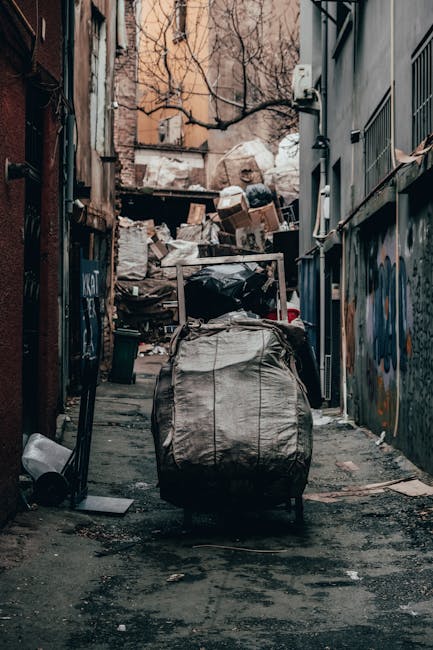
Post-refurbishment waste has a way of lingering longer than expected. One minute a Southwark block is looking fresh, the next it is surrounded by plasterboard offcuts, packaging, broken fittings, dust sheets, and the odd mystery item nobody wants to claim. Southwark Block Post-refurb Rubbish Clearance: A London Case is really about getting that final stage right: removing the waste quickly, safely, and in a way that works for a busy London building. Done well, it restores access, improves safety, and helps the refurbishment feel actually finished.
In this guide, we look at how block clearance works in practice, why it matters in Southwark, what to watch for, and how to plan a tidy, efficient removal without creating extra headaches. You will also find a practical checklist, a side-by-side comparison of common clearance options, and a realistic case example that reflects the kind of post-refurb mess many London properties face. Let's face it, no one enjoys stepping over rubble on the way to a newly painted hallway.
Expert summary: The smartest post-refurb rubbish clearance is not just "take the waste away." It is a coordinated process: assess access, separate recyclable and non-recyclable materials, protect communal areas, manage timing, and leave the block clean enough for residents, contractors, or managing agents to move on without delay.
Why Southwark Block Post-refurb Rubbish Clearance: A London Case Matters
Southwark has a particular mix of residential blocks, converted buildings, estates, and compact streets where access can be tight and tolerance for mess is low. After refurbishment, rubbish is rarely neat and predictable. You may have timber offcuts, old kitchen units, damaged flooring, plasterboard, bags of mixed debris, metal brackets, and packaging from appliances or fixtures. Some of it is bulky. Some of it is awkward. Some of it is light but travels everywhere in the wind. The job is rarely just about lifting bags into a van.
For a block setting, post-refurb rubbish clearance matters because shared spaces are involved. Corridors, lifts, bin stores, fire exits, and pavements all have to stay usable. If waste is left too long, residents get frustrated, cleaners have to work around it, and the property can start looking neglected even after the refurbishment itself has been completed. That can be especially awkward in a block where people have paid for visible improvement. Why spend money refurbishing a space if the final impression is a pile of rubble by the entrance?
There is also a practical London angle. Central and inner boroughs are less forgiving about blocked access, overspilling bins, and badly managed waste. Even where rules are not being actively enforced at every moment, the real-world pressure is obvious: neighbours notice, managing agents notice, and contractors certainly notice when they have to squeeze through a narrow service route with sacks of debris in the way. A clean finish is not a luxury. It is part of the refurbishment outcome.
In our experience, the hardest part is often not the load itself. It is the timing. The right clearance window can make the whole block feel calm again by late afternoon; the wrong one can leave residents navigating a half-finished building for days. Timing matters. A lot.
How Southwark Block Post-refurb Rubbish Clearance: A London Case Works
The process usually starts with a site review. That means looking at what waste is present, where it is stored, how it can be moved, and whether there are any awkward access points such as stairwells, basement corridors, internal courtyards, or restricted parking bays. A good clearance plan is shaped by the building, not the other way around. That may sound obvious, but it gets overlooked surprisingly often.
Next comes waste sorting. Refurbishment waste is typically mixed, but it should still be separated where possible. Recyclable materials may include clean cardboard, some timber, metals, and certain hard plastics. Heavy mixed waste, plasterboard, damaged furniture, old fixtures, and general junk may need different handling. Separating items early can reduce delays and make disposal more efficient. It can also help avoid unnecessary mixing of recyclable material with dirty waste.
Then there is the physical removal. This can involve carrying waste by hand, using sack trucks, moving items through lifts if permitted, or loading directly from a suitable access point. In a block, the route matters just as much as the vehicle. Hallways need protecting. Lifts need careful use. Door frames and walls need guarding from scuffs. A quick job is good. A careless quick job is not.
After collection, the waste should be transported to appropriate facilities for sorting, recycling, or disposal. Responsible handling is the goal here, especially where the waste includes materials that should not just be thrown together without thought. For readers who want a broader picture of disposal methods, the site's recycling and rubbish guidance and waste disposal service information are useful starting points.
In some cases, the cleaner the block is before the collection team arrives, the smoother the job runs. That means bundling similar items, keeping routes clear, and making sure the access plan is ready. It sounds simple, but, honestly, it saves time and tempers.
Key Benefits and Practical Advantages
A well-managed post-refurb clearance brings more than an empty corridor. It changes how the whole building feels and functions. The most immediate benefit is obvious: the site becomes safer and easier to use. Loose nails, shards, dust-covered packaging, and stacked materials are all trip hazards. In a block where children, older residents, contractors, and visitors all share space, that matters more than people sometimes admit.
Another major benefit is reputational. A refurbished block should look finished. If waste remains outside or in communal areas, the visual impression is dragged down. A tidy finish supports the work already paid for and helps residents feel the refurbishment was worth it. You notice the difference the moment you walk in. No dusty corner, no pile of chipped boards, no awkward smell from damp packaging left too long.
There is also a cost-control angle. The longer waste sits around, the more likely it is that items get damaged, mixed, or moved twice. Extra handling means extra labour. A planned removal often costs less in time and disruption than a rushed salvage operation after the fact. That can be true even if the initial quote looks a little higher. The cheap option is not always the cheap one in the end.
Other practical advantages include:
- clearer access for residents and contractors
- reduced complaints from neighbours and leaseholders
- less risk of blocked fire routes or escape paths
- better chances of separating recyclable material properly
- faster handover after the refurbishment is completed
If the project includes other bulky items from the works, such as old sofas, beds, or appliances removed from a flat, it may be worth understanding the relevant collection route. The pages on bulky waste collection, furniture removal and collection, and white goods recycling can help match the right disposal approach to the item type.
Who This Is For and When It Makes Sense
This kind of clearance is not just for large developers. In fact, many of the most common jobs are smaller and more local: a residential block with upgraded flats, a leasehold property where communal areas were refreshed, a housing association block with cyclical works, or a managed building that has had kitchens, bathrooms, or flooring replaced one flat at a time. The challenge is often scale plus access, not scale alone.
It makes sense for:
- managing agents coordinating refurbishment aftercare
- block managers responsible for communal space cleanliness
- landlords or freeholders overseeing multiple units
- contractors who need the site handed back clean
- residents arranging a one-off post-renovation clearance
- property teams dealing with mixed waste after partial works
It also makes sense when the waste is awkwardly mixed. For example, if a hallway store contains broken shelving, offcut timber, wrapping, and a damaged mattress, the job becomes more than ordinary bin collection. That is where a proper clearance service feels worth it. You want someone who can turn up, assess the mess, and not blink. Tragic? No. Practical? Very.
If the block is in an area with tighter residential access, local relevance matters too. The Southwark context often overlaps with nearby inner-London service patterns, including dense streets and narrow loading spaces. For broader borough-specific support, the site's Southwark service area page is not available here, so the closest relevant local pages are the London-wide and nearby area service pages already listed on the site. In plain terms: choose a provider who understands central London logistics, not just waste removal in theory.
Step-by-Step Guidance
Here is a straightforward way to handle a post-refurb clearance in a Southwark block without making it overcomplicated.
- Identify the waste type. Separate bulky items, general rubble, packaging, reusable materials, and anything potentially hazardous. The more clearly you define the load, the easier the removal becomes.
- Check access routes. Measure lifts, stairwells, door widths, basement paths, and loading points. A van parked perfectly is useless if the waste cannot get to it.
- Protect communal areas. Use coverings for floors, corners, and lift interiors where needed. Even a small scrape on a painted wall can become a complaint.
- Book a realistic collection window. Pick a time that works with residents, cleaners, and contractors. Morning slots can be best for blocks that get busy later in the day.
- Load in a sensible order. Put heavier, sharper, or awkward items first if they are easier to move early. Keep lighter debris from scattering across the route.
- Confirm disposal expectations. Ask how the waste will be handled, whether recyclable material will be separated, and whether any item needs special treatment.
- Inspect the area after collection. Do a final sweep for nails, dust, packaging fragments, and forgotten corner pieces. This part is tiny but crucial.
A useful clarification: not every post-refurb job needs a huge multi-vehicle operation. Sometimes one well-planned collection is enough. The trick is honest planning. If there are three floors of debris and no lift, say so early. If the waste includes fragile corridor fittings or sharp metal offcuts, mention that too. Better a slightly longer conversation upfront than a messy surprise on the day.
Expert Tips for Better Results
First, clear the waste as close to completion as possible. Sounds obvious, but people sometimes book collection too early, then create a second wave of waste when snagging items or final fixings arrive. That means a second mess and, often, a second bill. One of the most practical things you can do is wait until the bulk of the work is truly finished.
Second, keep a simple waste map. In larger blocks, mark where materials are being stored temporarily and which route should be used for removal. A basic note on a clipboard can prevent confusion, especially when several trades have been on site. You do not need a masterpiece. A decent sketch will do.
Third, separate the waste where it makes sense. Clean cardboard, timber, and scrap metal are easier to manage when not contaminated by dust, food waste, or wet materials. If the rain has soaked through the pile by 8 a.m., sorting becomes less pleasant. To be fair, that is when everyone wishes they had covered it the night before.
Fourth, think about neighbours. If you are working in a block, avoid leaving waste in sight of entrances for longer than necessary. Residents may not care how complex the refurbishment has been; they care that their lobby is passable and their lift still smells like a lift, not a builder's yard. A respectful schedule goes a long way.
Finally, keep communication simple. A short notice to residents, concierge staff, or the site contact can prevent disputes about access, noise, and temporary disruption. The best jobs often look almost boring from the outside. That is a compliment, by the way.
Common Mistakes to Avoid
The most common mistake is underestimating volume. Refurb waste expands quickly once it is stacked together. What looks like "a few bags and some boards" can become a full load once everything is brought downstairs. This is especially true if there are old fittings, packaging, and broken materials mixed together.
Another frequent issue is poor access planning. A blocked service route, a forgotten parking restriction, or an unprotected lift can turn a simple clearance into a delayed one. In block settings, small access mistakes have a habit of multiplying. It only takes one missing key or one narrow turn to slow the whole thing down.
People also forget to separate waste streams early. Once everything is piled together, recyclables become harder to recover cleanly. That can mean more mixed waste, more handling, and less efficient disposal. If you can keep cardboard dry and timber separate from rubble, do it.
Other mistakes include:
- leaving sharp offcuts exposed at ground level
- failing to protect walls and doors in shared corridors
- booking a collection before the refurbishment is actually finished
- not telling residents or building staff what time access is needed
- assuming every waste item can be treated the same way
There is one more thing worth saying: do not treat the clearance as an afterthought. It is part of the project. The "we will sort it later" approach almost always creates more work later. Funny how that works.
Tools, Resources and Recommendations
For a solid clearance, the main "tools" are often less dramatic than people expect. You do not need specialist kit for every job, but you do need the right basics and a sensible plan. That usually includes heavy-duty sacks, gloves, protective covers, trolleys or sack trucks, dust sheets, and a way to identify waste categories before removal starts.
For block environments, protection materials are especially useful. Corner guards, floor coverings, and lift protection can make a big difference in communal areas. If a cleaner, caretaker, or site manager is involved, their local knowledge can be just as valuable as equipment. They know where people usually walk, where the light is poor, and where waste tends to get left if nobody is paying attention.
For related clearance needs, the website's service pages can help readers compare the job to other common waste types. Useful adjacent options include rubbish clearance, waste clearance, property clearance, and home clearance. If the job involves old bulky furniture from flats or communal areas, the furniture clearance page is also relevant.
For readers who want a broader understanding of the provider side, the site's about us page and insurance and safety information can help build confidence before booking. Those pages are especially useful if the building manager needs reassurance before allowing contractors into a shared site.
Law, Compliance, Standards, or Best Practice
Any waste clearance in London should be handled with care for legal and practical compliance, even when the job looks simple. In general, the key principle is that waste must be managed responsibly and transferred to an appropriate, authorised route. That sounds formal, but the real-world meaning is straightforward: do not let rubbish end up dumped, mixed carelessly, or handled by someone who cannot properly account for it.
For blocks, there is also a duty to avoid creating avoidable hazards in communal areas. That means keeping escape routes clear, managing sharp materials, and avoiding unsafe stacking. If contractors are carrying materials through shared parts of the building, the working method should be safe enough for residents and visitors who may be passing through at the same time.
Good practice usually includes:
- clear identification of what is being removed
- careful handling of heavy or sharp materials
- separation of recyclable items where practical
- respect for access rules, parking restrictions, and building procedures
- responsible disposal through legitimate waste routes
Where a refurbishment has generated commercial or trade waste, it is sensible to treat the clearance as a business process, not just a domestic tidy-up. The page on commercial waste disposal is relevant if the site has mixed operational and refurbishment waste. For readers wanting a deeper look at business responsibilities, commercial waste duty of care for London businesses explained adds useful context without overcomplicating things.
If the site has health and safety concerns, the company's health and safety policy can also be helpful to review before anyone starts moving debris through shared areas.
Options, Methods, or Comparison Table
There are usually several ways to handle post-refurb waste in a Southwark block. The right choice depends on volume, access, time pressure, and how tidy you want the handover to be. Here is a practical comparison.
| Method | Best for | Strengths | Limitations |
|---|---|---|---|
| Managed waste collection | Mixed refurbishment waste, limited access, shared blocks | Structured, faster, less disruption, easier to plan around residents | Needs good scheduling and clear site access |
| Bulk rubbish collection | Large items, rubble, or grouped debris | Good for volume, useful when waste is already gathered in one place | Can be less flexible if waste is scattered across several floors |
| DIY disposal | Very small loads and simple items | Low direct cost if you already have transport | Time-consuming, physically demanding, awkward in block settings |
| Council route for small domestic items | Occasional household items, not full refurbishment debris | May suit minor clear-outs | Not ideal for mixed post-refurb waste or tight deadlines |
If the waste is more like leftover house contents than construction debris, the relevant pages may be council rubbish collection or council large item collection. If it is a genuine post-works load with mixed debris, however, a purpose-built clearance option is usually the cleaner fit.
Case Study or Real-World Example
Consider a Southwark block where several flats have been refurbished in stages. By the time the final flat is complete, the building has accumulated a patchwork of waste: flat-pack packaging, stripped flooring, a few damaged cupboards, broken bathroom fittings, and bags of debris from minor snagging work. Nothing dramatic on its own. Together, though, it is a mess that starts to spill into the shared entrance and the lift lobby.
The managing agent's main concern is not just appearance. Residents still need access, and cleaners need to work without stepping around sharp fragments. The clearance plan is simple but carefully timed. Waste is consolidated in a designated area, the route through the block is protected, and the collection is scheduled for a quieter part of the day. An on-site contact checks the load before it leaves so nothing essential is accidentally taken, and the team does a final sweep for loose screws, plaster bits, and packaging fragments.
What changes afterwards is subtle but important. The block does not just look neater. It feels calmer. The corridor sounds different without that crunch underfoot. The entrance stops looking temporary. Residents stop asking when the "builder's stuff" is going. That quiet relief is often the real win.
If the refurbishment involved furnishings as well as debris, the project might also have overlapped with house clearances or flat clearance. In mixed-occupancy buildings, those overlaps happen more often than people think.
Practical Checklist
Use this checklist before booking or carrying out a post-refurb clearance in a Southwark block.
- Confirm the refurbishment is fully finished, or at least ready for waste removal.
- List the main waste types: rubble, timber, packaging, fixtures, furniture, and mixed debris.
- Check access: lifts, stairs, entry codes, parking, loading space, and opening hours.
- Protect communal areas with covers where needed.
- Tell residents or building staff about the collection window.
- Separate recyclable materials if possible.
- Keep sharp or heavy items safely contained.
- Make sure no essential items are mixed into the waste pile.
- Ask how disposal will be handled after collection.
- Do a final inspection of the route and the cleared area.
Quick reality check: if you cannot answer the access question cleanly, the job is probably not ready yet. That is usually the first thing to fix.
Conclusion
Southwark Block Post-refurb Rubbish Clearance: A London Case is really about finishing well. Refurbishment gets the attention, but the clearance is what lets the building breathe again. In a block, especially one with shared access and busy residents, the final waste removal is not a side task. It is part of the value of the refurbishment itself.
When the process is planned properly, the result is simple: fewer hazards, less disruption, a better appearance, and a smoother handover. You also avoid that awkward half-finished feeling that lingers when waste is left sitting around. If you are managing a block, overseeing a flat refurbishment, or trying to clear a mixed post-works load in London, the best approach is usually the most organised one. Not flashy. Just sensible.
Get a free quote today and see how much you can save.
And if you are still deciding, take a breath and start with the access route. That one detail often tells you almost everything you need to know.
Frequently Asked Questions
What does post-refurb rubbish clearance include in a Southwark block?
It usually includes the removal of refurbishment leftovers such as rubble, packaging, broken fixtures, old fittings, timber offcuts, and mixed debris from communal or flat-level works. If there are bulky items too, those may be handled as part of the same plan.
Why is block clearance different from ordinary rubbish removal?
Because you are dealing with shared access, residents, lifts, corridors, and stricter timing. A block clearance has to be planned around other people using the building, not just the waste itself.
How soon should post-refurb waste be cleared?
Ideally as soon as the main works are finished and the access route is safe. Leaving waste too long increases complaints, risks damage to communal areas, and can make the site feel unfinished.
Can mixed refurbishment waste be collected in one go?
Often yes, provided it is assessed properly first. Mixed loads are common, but separating recyclable items where practical usually improves efficiency and makes the job cleaner.
Do I need to sort materials before collection?
It helps a lot, though not every load has to be perfectly separated. Clear separation of cardboard, timber, metal, and general debris can reduce waste and make the process smoother.
What are the biggest risks during a Southwark block clearance?
The main risks are blocked access, trip hazards, damage to communal areas, poor timing, and waste being moved without enough care. Sharp edges and heavy objects deserve particular attention.
Is this type of clearance suitable for smaller residential blocks?
Yes, absolutely. Smaller blocks often have the same access and safety challenges as larger ones, just with fewer people involved. Sometimes that makes coordination even more important.
How do I know if the job needs a specialist clearance rather than council collection?
If the waste is mixed refurbishment debris, bulky, or needs fast removal from a block setting, specialist clearance is usually the better fit. Council routes tend to suit simpler household items and smaller, less urgent loads.
What should I ask before booking a clearance service?
Ask about access needs, waste handling, recyclable sorting, timing, building protection, and how the load will be disposed of. If the answer to any of those is vague, that is worth following up.
Will the clearance team need help from building staff?
Sometimes yes, especially if there are entry controls, shared lifts, parking restrictions, or designated loading points. A quick briefing from site staff can make the visit much smoother.
How can I reduce disruption to residents?
Choose a sensible time slot, give notice if needed, keep routes clear, and avoid staging waste in visible shared areas longer than necessary. Small courtesies matter more than people think.
What if some items from the refurbishment can be reused or recycled?
That is worth checking before everything is thrown into one pile. Reusable timber, scrap metal, cardboard, and certain fixtures may be suitable for separate handling, depending on condition and contamination.